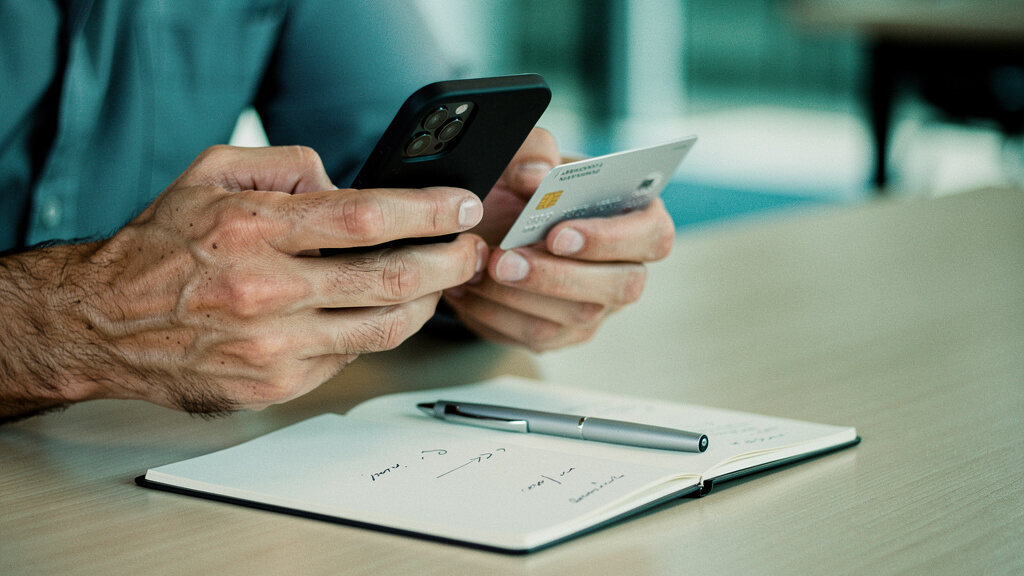
How dating apps make their money
The basic pattern is the same almost everywhere: usage is free, but core functions live in a subscription, usually across two or three tiers. On top come one-off purchases such as boosts, super likes or temporarily highlighting your own profile.
In the test we rate not just the price level but the fairness of the model: what stays free, how transparent the prices are, and whether the app pushes you towards purchases.
Hidden costs and dynamic pricing
The most important hidden cost factor is dynamic pricing: the same app can show different prices depending on age, region and device. Tinder is the best-known case and therefore receives only 2 out of 5 for pricing fairness in our test, the same as Badoo.
The second classic: auto-renewing subscriptions combined with weekly passes whose price looks small at first glance. If you forget to cancel a weekly pass, over a year it often costs more than the most expensive monthly plan.
What is worth paying for and what is not
A subscription is most worthwhile where it solves a clear bottleneck: for example the list of your likes on the big apps, if you are actively searching in a region with plenty of choice. Bumble and Hinge sit in the fair midfield here at 3 out of 5 each.
Visibility purchases like boosts score worst in the test: short-term effect, no lasting advantage, costs that are hard to plan. On embla this category does not exist at all, ‘who likes you’ is free and visibility cannot be bought, which explains its top score of 5 out of 5 for pricing fairness.
Money-saving tips from the test
First: cancel subscriptions immediately after purchase, the paid period stays intact, only the auto-renewal stops. Second: compare prices across devices, subscriptions are sometimes cheaper in the browser than in the app store. Third: spend two weeks testing for free whether the app even has enough active profiles in your area.
Follow these three rules and you avoid the most common cost traps, regardless of which app you end up choosing.